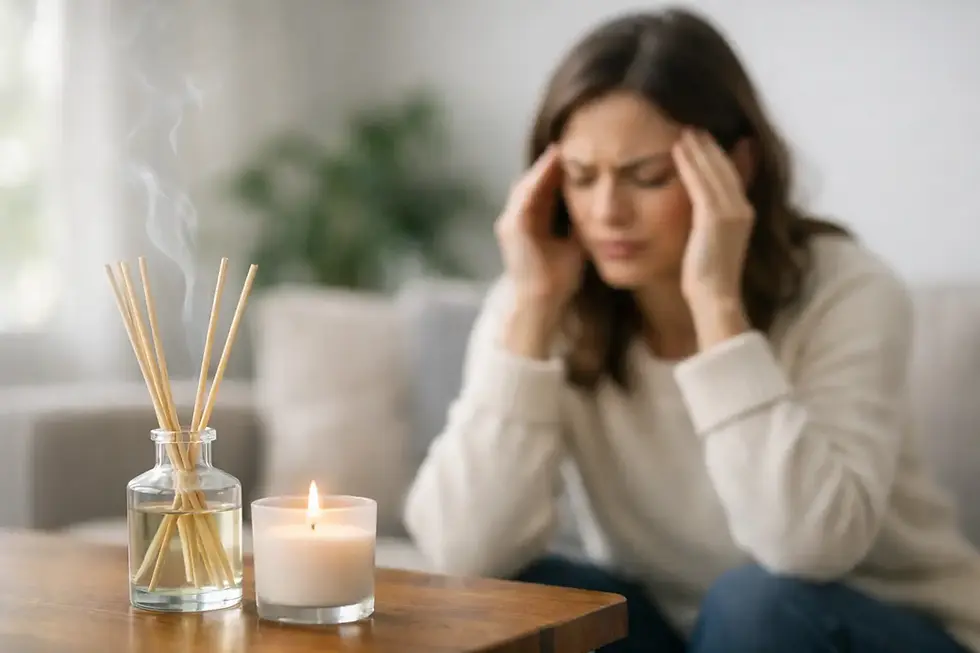
What Scent Helps You Relax at Home?
A room can look clean, feel cozy, and still somehow keep your shoulders up around your ears. That is usually when scent makes the difference. If you have been asking what scent helps you relax, the short answer is this: soft, familiar scents tend to work best, but the right choice depends on whether you want to sleep, reset after work, or make your whole home feel calmer.
Some fragrances are widely loved for their calming feel, especially lavender, chamomile, vanilla, sandalwood, and bergamot. But scent is personal. What feels peaceful in one home can feel too sweet, too strong, or even distracting in another. The goal is not to pick the most popular fragrance. It is to find one that makes your space feel easier to be in.
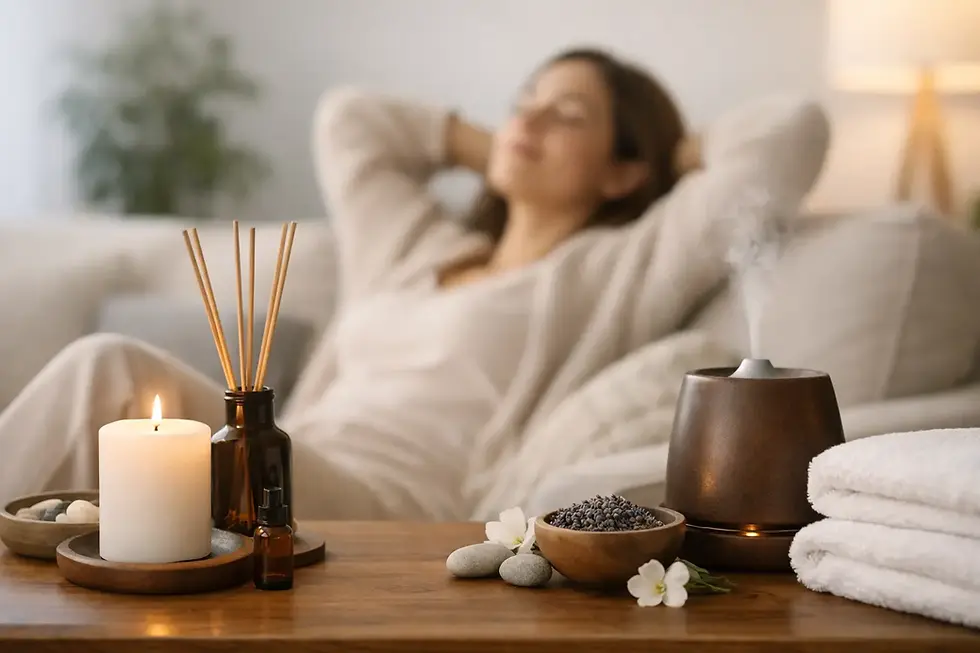
What scent helps you relax most?
For many people, lavender is the easiest place to start. It has that clean, soft, bedtime association that shows up in everything from pillow sprays to candles and diffusers. If your idea of relaxing is dim lights, a tidy bedroom, and a quieter mind before bed, lavender usually fits naturally.
That said, lavender is not the only answer. Chamomile feels gentler and a little warmer. Vanilla can make a room feel cozy and settled, especially in living spaces. Sandalwood brings a grounded, woodsy depth that many people like in the evening. Bergamot is a good option when you want calm without feeling sleepy, since it has a brighter citrus edge.
If you want the simplest rule, think of scent in terms of mood. Floral and herbal notes often feel soft and soothing. Warm notes feel comforting. Light citrus can feel uplifting but still balanced if it is not too sharp. Strongly sweet or intensely perfumed scents can go either way - comforting for some, overwhelming for others.
Why calming scents work differently for different people
Scent is closely tied to memory and habit, which is why there is no single best fragrance for everyone. A vanilla scent may feel deeply comforting if it reminds you of home, while someone else may find it too heavy. Eucalyptus might feel fresh and clearing to one person but too spa-like or intense to another.
This is also why trendy fragrance descriptions are not always helpful. Words like calming, clean, or cozy sound nice, but they do not tell you how a scent will actually feel in your room at 9 p.m. after a long day. The better question is whether the fragrance helps your environment feel less stimulating.
That usually comes down to intensity, not just scent family. Even a relaxing fragrance can stop feeling relaxing if it is too strong. A gentle lavender mist in a bedroom is very different from an oversized candle burning in a small office. When people think a calming scent does not work for them, the issue is often the delivery or strength rather than the scent itself.
The best relaxing scents for different rooms
The room matters more than people expect. A fragrance that feels perfect in the bedroom may not be the one you want in the kitchen or entryway.
Bedroom
For sleep-friendly spaces, lavender, chamomile, soft linen, sandalwood, and light vanilla are usually the safest choices. These tend to feel quiet rather than energizing. In a bedroom, softer is better. You want the scent to sit in the background, not announce itself every time you walk in.
Living room
Living rooms can handle something a little warmer. Vanilla, sandalwood, cedar, cashmere-style blends, and gentle amber notes can help the space feel settled and comfortable. This is especially helpful if your living room doubles as your evening wind-down zone.
Bathroom
A bathroom often benefits from fresher relaxing scents such as eucalyptus, lavender, or light bergamot. These can make the room feel clean and reset without leaning too sharp or sterile. The trick is choosing something that feels spa-like, not like a blast of cleaner.
Workspace or reading nook
If you want to feel calm but still alert, bergamot, soft citrus blends, green tea, or very light eucalyptus can work well. Deep sleepy scents may be too heavy here. For this kind of space, think clear and balanced rather than drowsy.
What scent helps you relax before bed?
If your main goal is better wind-down energy at night, start with lavender, chamomile, or sandalwood. These are common bedtime scents for a reason. They tend to feel soft, familiar, and less busy than brighter fragrances.
Vanilla is also a strong option if you prefer cozy over herbal. Some people do not want their bedroom to smell like a spa. They want it to feel warm, quiet, and comfortable. That is where a subtle vanilla, cashmere, or creamy wood scent can be a better fit.
The important part is consistency. A relaxing scent tends to work best when it becomes part of a repeatable evening routine. If you only use it occasionally, it may still smell nice, but it will not have the same cue-your-brain-to-unwind effect that a regular bedtime scent can create.
How to choose a calming scent without wasting money
This is where a lot of people get stuck. They buy whatever says calm, sleep, or unwind on the label, then end up with a scent that is too strong or just not right for their home.
Start by deciding what kind of calm you want. If you want sleepy calm, lean herbal or soft woodsy. If you want cozy calm, try vanilla or warm blends. If you want clean calm, go with eucalyptus, linen, or a soft citrus-floral mix.
Next, think about how scent usually affects you. If you are sensitive to fragrance, skip anything described as bold, rich, or intense. Look for lighter formulas or smaller-format options first. Diffusers and room sprays can be easier to control than large candles, especially in smaller rooms.
It also helps to match scent strength to room size. Bedrooms and bathrooms usually need less. Open living areas can carry something slightly deeper without feeling crowded. If you like the fragrance in the jar but not in the air, that is a sign the throw is too strong for your space.
The best ways to use relaxing scents at home
How you use the scent changes the experience. Candles feel cozy and work well for evening routines, but they are not always ideal if you want low-maintenance fragrance throughout the day. Reed diffusers are better for a steady background scent. Room sprays are great when you want quick control, especially before bed. Essential oil diffusers can work nicely too, but the mist and strength vary a lot by model and oil blend.
For bedrooms, pillow mists and small diffusers are often enough. For living rooms, a candle or reed diffuser can create a more noticeable sense of atmosphere. Bathrooms usually do best with clean, lighter fragrance formats that do not linger too heavily.
If you are trying to make your whole home feel calmer, do not mix too many competing scents. One relaxing fragrance family, or two that complement each other, usually feels better than having vanilla in one room, sharp citrus in another, and heavy florals in the hallway. The home should feel connected.
A few scent profiles that usually work
If you want a shortcut, these combinations are often good bets for a relaxing home: lavender and chamomile for bedtime, sandalwood and vanilla for cozy evenings, bergamot and soft woods for balanced calm, and eucalyptus with linen notes for a fresh-clean reset.
Still, it depends on your home and your habits. If your space already gets warm and stuffy, sweet scents may feel too dense. If your home tends to feel cold or plain, warmer fragrances can add the comfort you are missing. The right scent should support the room, not fight it.
A relaxing home rarely comes from one big fix. More often, it comes from little things that make the space easier on your senses - softer light, less visual clutter, cleaner air, and a scent that tells your body it can finally exhale. If you are deciding what to try first, go simple, keep it gentle, and choose the fragrance that makes you want to stay in the room a little longer.