How to Use Scent Zones at Home
Walk from a kitchen that smells like last night’s dinner into a bedroom misted with lavender, and you can feel the problem right away - your home is sending mixed signals. If you’ve been wondering how to use scent zones, the goal is simple: give each space a scent that fits what you do there, so your home feels calmer, cleaner, and easier to enjoy.
Scent zoning is less about making everything smell stronger and more about making each room smell more intentional. It works the same way lighting does. Bright light helps in a workspace, while softer light fits a bedroom. Fragrance can do that too. A fresh, clean scent near the entry can make your home feel welcoming, while something softer in the bedroom can support a more relaxed evening routine.

What scent zones actually are
A scent zone is a specific area of your home where you use one scent profile on purpose. That might mean a crisp citrus or eucalyptus scent in the bathroom, a light linen scent in the hallway, and a warmer, quieter fragrance in the bedroom. The point is not to create a perfume counter effect. The point is to match the scent to the mood and function of the room.
This matters because scent travels, and open layouts, HVAC systems, and foot traffic can blur everything together fast. If every room has a strong competing fragrance, your home can feel busy instead of comforting. Good scent zoning keeps things subtle enough that one area doesn’t overpower the next.
How to use scent zones without overdoing it
The easiest way to start is to think in terms of room purpose, not just favorite fragrances. What do you want each area to feel like when you walk in? Clean and refreshed, cozy and quiet, or airy and awake? Once you answer that, choosing the scent gets much easier.
In hardworking spaces like kitchens, laundry rooms, mudrooms, and bathrooms, cleaner-smelling notes usually make the most sense. Think citrus, herbal blends, eucalyptus, light mint, or soft cotton scents. These tend to feel fresh without clashing too much with the real-life smells those rooms already produce.
In rest-focused spaces like bedrooms and reading corners, softer scents usually work better. Lavender, chamomile, sandalwood, vanilla, and gentle musk blends can feel grounding and comfortable. That said, sweet scents can turn heavy quickly in smaller bedrooms, so it often helps to go lighter than you think you need.
Living rooms are where it gets a little more flexible. If your space is where people gather, watch movies, and unwind, warm wood, amber, soft floral, or cashmere-style scents can make the room feel inviting. But if your living room opens right into the kitchen, a very rich scent might compete with food smells. In that case, a cleaner, lighter fragrance often works better.
Start with three zones, not ten
If you try to scent every corner of the house at once, it gets expensive and confusing fast. A better approach is to create three core zones first: your entry area, your main living space, and your bedroom. That gives your home a clear scent rhythm without making it hard to manage.
Your entry zone sets the tone. This is where fresh, clean, welcoming scents tend to shine. You want something that says the home feels cared for, not something so strong that it announces itself from the driveway.
Your living zone should feel balanced. This is often where a reed diffuser, low-output plug-in, or a candle used at certain times of day works well. It should be present enough to make the room feel pleasant, but not so noticeable that it distracts from conversation, TV time, or meals.
Your sleep zone deserves the gentlest touch. Bedrooms usually need less fragrance than people think. A pillow spray, a low-intensity diffuser run briefly before bed, or a subtle room spray can be enough. Strong fragrance overnight is not always comfortable, especially in smaller rooms.
Choose the right scent format for each room
The way you deliver scent matters almost as much as the fragrance itself. Different formats behave very differently in real homes.
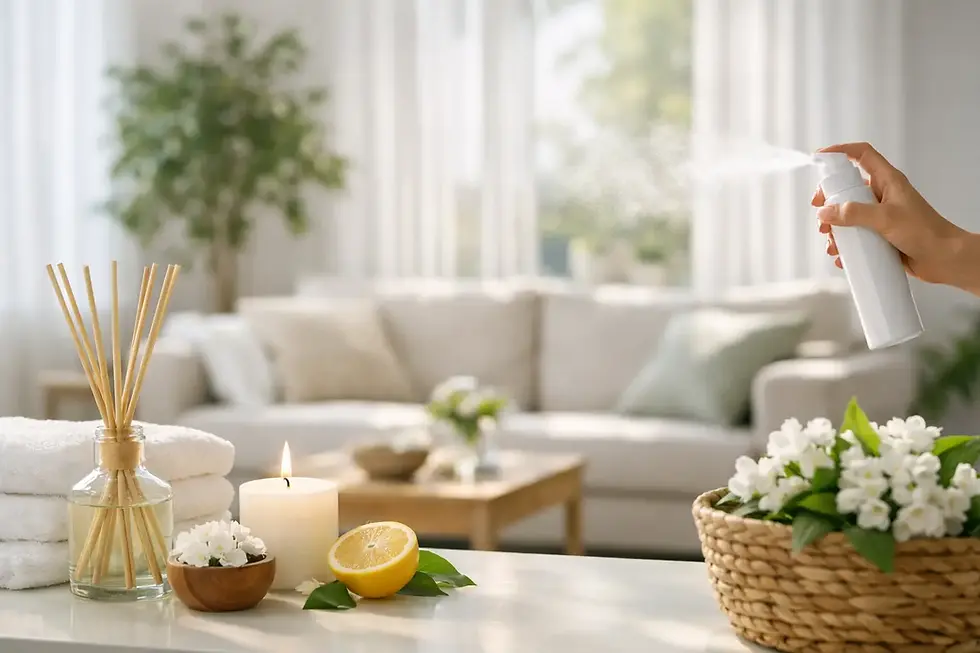
Reed diffusers are useful in smaller or medium-sized spaces where you want steady, low-maintenance scent. They work well in bathrooms, entry tables, and bedrooms, but they can be too faint for large open living areas.
Candles are better for intentional scent moments than all-day coverage. They make sense in living rooms, bedrooms, and bathrooms when you want a cozy feel for an hour or two. They are less practical if your goal is constant background fragrance.
Plug-ins can help in areas that need more consistent scent, such as hallways, entryways, or open common spaces. The trade-off is that some run stronger than expected, so they can easily take over nearby rooms if the setting is too high.
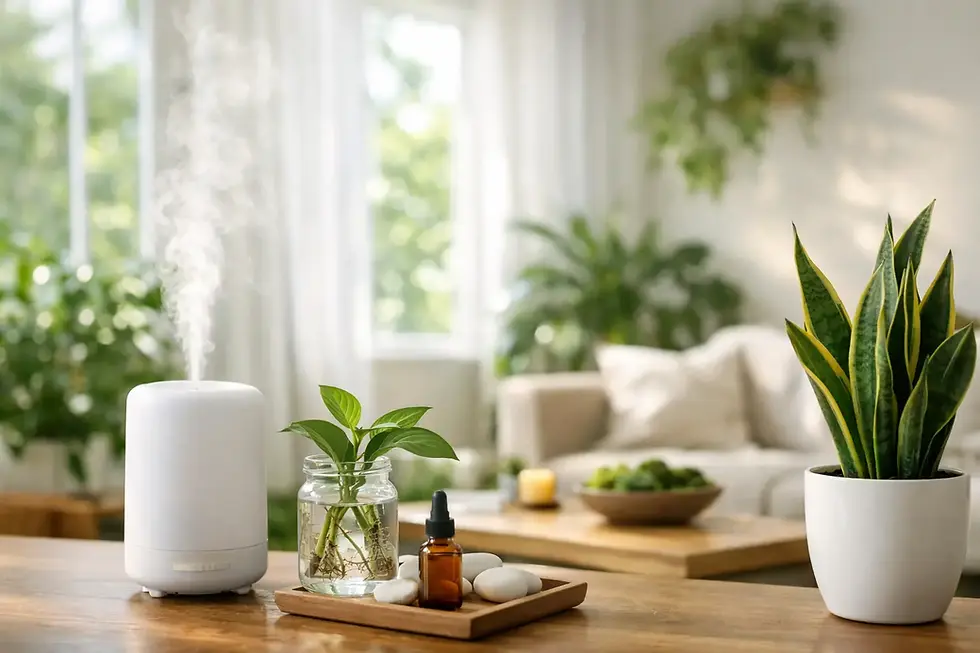
Essential oil diffusers give you more control, which can be helpful if you like adjusting scent by time of day. But they do require more effort, and not everyone wants one more thing to refill and clean. In a busy household, simple often wins.
Room sprays are best for quick resets. They are great in bathrooms, guest rooms, or before winding down at night, but they do not create lasting scent zones on their own.
Match scent strength to the space
One of the biggest mistakes in scent zoning is using the same intensity everywhere. A tiny powder room can hold fragrance much longer than a large family room with tall ceilings. If you use the same plug-in level or diffuser setup in both places, one room will smell barely there and the other will feel overwhelming.
As a general rule, smaller enclosed spaces need weaker output. Larger or more open rooms may need stronger formats or a more noticeable fragrance family. Airflow matters too. If a room has a ceiling fan running often, open windows, or strong vent circulation, scent may disappear faster than you expect.
This is where testing helps. Try one product at a low setting, live with it for a few days, and adjust. Scent is personal, and what feels cozy to one person can feel like too much to someone else.
Keep neighboring rooms from clashing
If you want scent zones to feel polished, think about what happens when people move between rooms. Adjacent spaces should feel related, not random. That does not mean every room needs the same scent. It means the fragrances should make sense together.
For example, a citrus-herbal bathroom can sit nicely near an entryway with a fresh linen scent. A bedroom with lavender or soft sandalwood can work well down the hall from a living room with light amber or cashmere notes. Problems usually show up when one room is sharp and clean while the next is intensely sweet or smoky.
A good rule is to keep your home within two or three scent families overall. Fresh, warm, and soft floral can work together. Heavy gourmand, beachy coconut, and medicinal mint often do not.
Use scent zones to solve real home problems
This is where scent zoning becomes genuinely useful, not just decorative. If your bathroom never feels quite fresh enough, a consistent clean scent there can help the room feel more maintained between deep cleans. If your bedroom feels hard to settle into at night, a subtle evening fragrance can become part of a wind-down routine. If your entry feels stale, one well-placed diffuser can make the whole home feel more welcoming the moment you walk in.
The key is not to use fragrance to cover up dirt, dampness, or stale air. Scent works best after the basic clean-home issues are handled. Fresh laundry, clean floors, emptied trash, and decent airflow do more for a home’s smell than any diffuser ever will. Fragrance should layer on top of clean, not replace it.
When to change your scent zones
You do not need a permanent scent map for your home. Sometimes your needs shift. Maybe the bedroom scent that felt cozy in cooler months starts to feel too rich later on. Maybe a stronger kitchen-adjacent scent becomes annoying when you are cooking often. It is fine to adjust.
The smartest setup is one that feels easy to live with. That usually means a few dependable scents, used in the right rooms, at a low enough level that your home smells inviting instead of crowded. Better Home Vibes readers usually are not looking for a fussy fragrance system. They want a home that feels good the second they walk in.
If you keep it simple, scent zones can do exactly that. A cleaner entry, a calmer bedroom, and a fresher bathroom may not sound dramatic, but those small shifts are often what make a home feel more restful day after day.