

How to Keep House Smelling Fresh
That moment when you open the front door and catch a stale, stuffy smell can change how your whole home feels. If you have been wondering how to keep house smelling fresh without constantly spraying air freshener, the good news is that lasting freshness usually comes from a few simple habits, not one miracle product.
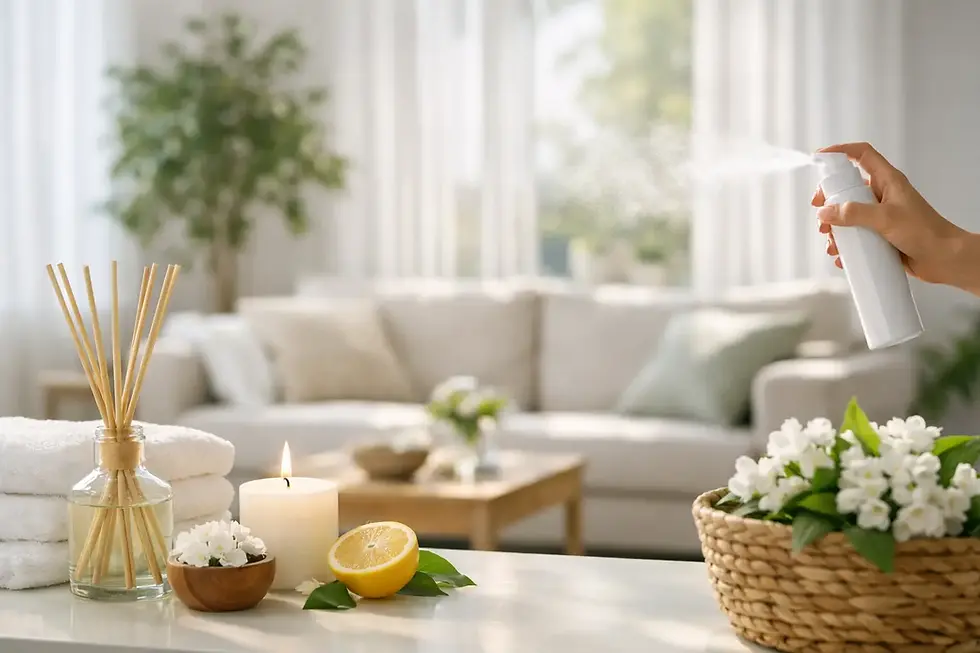
The biggest shift is thinking beyond fragrance. A fresh-smelling home is usually a clean, well-ventilated, moisture-controlled home. Nice scents can help, but they work best when they are layered on top of a space that is already free of lingering odor sources. If the air itself feels stale, dusty, or heavy, start with the basics in our guide to improve indoor air quality naturally before trying to cover the smell with another spray.
How to keep house smelling fresh at the source
If a room smells off, there is almost always a reason. Covering it up might help for an hour, but the odor tends to come back because the real issue is still there. In most homes, the usual culprits are soft surfaces, trapped moisture, garbage, pet areas, shoes, drains, and stale air.
Fabric holds onto smells more than people realize. Upholstered furniture, rugs, curtains, throw blankets, and even decorative pillows can absorb cooking odors, pet smell, and everyday body oils. If your home looks clean but still smells a little tired, fabrics are often the reason. Washing what you can, vacuuming regularly, and using a fabric-safe deodorizing treatment where needed can make a room feel noticeably lighter.
Moisture is another major factor. Bathrooms, laundry spaces, basements, and kitchens can all develop a musty smell when humidity stays too high. Even a clean room can smell unpleasant if damp air is hanging around. In that case, the fix is not more fragrance. It is better airflow, dry surfaces, and sometimes a dehumidifier.
Garbage and drains deserve more attention too. Trash cans can smell bad long before they look full, especially in warm weather or if anything damp ends up at the bottom. Kitchen and bathroom drains can also hold onto residue that creates a sour smell over time. Cleaning those overlooked areas often makes a bigger difference than buying a stronger room spray.
Start with the air, not the candle
When people want a home to smell better, they often go straight to candles, wax melts, or plug-ins. Those can be cozy and helpful, but stale air needs to move first. Fresh air is one of the simplest and most effective ways to reset a room.
Opening windows for even 10 to 15 minutes can help clear out trapped odors, especially after cooking, cleaning, or showering. If outdoor air quality is not great or the weather is extreme, ceiling fans, bathroom exhaust fans, and kitchen ventilation become even more important. Air circulation keeps odor from settling and helps your home feel cleaner overall.
If your house tends to feel stuffy no matter what, check your HVAC filter. A dirty filter can contribute to stale indoor air and make dust and odor feel like they are just recirculating. An air purifier can also help in homes with pets, heavy cooking smells, or limited window ventilation. It is not a fragrance solution, but it can be a real comfort upgrade if odor and air quality are ongoing concerns.
The daily habits that keep a house smelling clean
The homes that smell fresh all the time usually are not being deep-cleaned every day. More often, they have a few small routines that keep odor from building up.
Laundry matters more than people expect. Hampers filled with sweaty clothes, damp towels, or bedding can create a stale smell that spreads into nearby rooms. Washing towels often, letting bath mats dry fully, and avoiding piles of damp laundry goes a long way.
In the kitchen, wiping counters and rinsing the sink helps, but smell often lingers in the places people rush past. The sponge, dish towel, garbage disposal, trash can lid, and floor near the trash pull a lot of odor into one area. If your kitchen never quite smells clean, focus there first.
Bedrooms benefit from fresh air and clean bedding. Sheets, pillowcases, and blankets hold onto a surprising amount of everyday smell. A clean bed makes the whole room feel calmer and fresher, which fits right into the Better Home Vibes idea that comfort and cleanliness are deeply connected.
Shoes near the entry can also change how your home smells the second someone walks in. A simple shoe tray, regular floor cleaning, and keeping that zone tidy helps stop outside odor from spreading through the house.
Fresh scent works better when you keep it light
Once the underlying smells are under control, adding a pleasant scent can make your home feel more inviting. The trick is choosing scent that supports the space instead of overpowering it.
Clean, subtle fragrances usually feel best in everyday living spaces. Think soft linen, light citrus, gentle eucalyptus, fresh cotton, or mild lavender. Heavy sweet scents can work for some people, but they can also make a room feel crowded, especially in smaller homes or spaces with limited airflow.
It also helps to match scent strength to the room. Bathrooms can handle a little more fragrance because they are smaller and often need a quick freshness boost. Bedrooms usually benefit from something softer and more relaxing. Kitchens are a place to be careful. Strong fragrance mixed with food smell does not always create the clean effect people want.
Candles, reed diffusers, room sprays, and essential oil diffusers all have their place, but they do different jobs. Candles create a cozy mood, though the scent usually stays in one area. Reed diffusers offer low-maintenance background fragrance. Room sprays are useful for quick resets before guests arrive. Diffusers can work well if you prefer more control, but they are best used lightly. If a scent announces itself from across the house, it is probably too much.
Room-by-room fixes that actually help
Kitchen
A fresh kitchen comes down to grease, trash, and sink care. Emptying the trash regularly, cleaning the disposal, and washing dish cloths often matters more than any countertop spray. If you cook often, wiping cabinet fronts and mopping around the stove can help remove the odor film that slowly builds up.
Bathroom
Bathrooms need dry air as much as they need clean surfaces. Run the exhaust fan during and after showers if possible, replace damp towels often, and clean the toilet brush holder and trash can. Those small details are easy to skip, but they affect the smell of the room quickly.
Living room
This space usually needs attention on soft surfaces. Vacuum the rug, clean under cushions, and wash blankets and pillow covers. If pets spend time here, regular grooming and frequent fabric cleaning can make a big difference.
Bedroom
Wash bedding on a steady schedule and let the room air out when you can. If the bedroom smells stale in the morning, it may simply need cleaner linens, better airflow, or a less crowded closet. Packed closets can trap odor and make the whole room feel heavy.
What to avoid if you want lasting freshness
One common mistake is using too many scented products at once. A plug-in in the hallway, a candle in the living room, a diffuser in the bedroom, and a heavy laundry scent booster can all compete. Instead of smelling fresh, the house can start to feel artificial.
Another issue is ignoring hidden sources. Pet beds, vacuum filters, mop heads, shower curtains, and entry rugs all hold odor over time. If your cleaning routine covers the obvious surfaces but the house still smells off, one of those hidden items may be the reason.
It is also worth being realistic about what a product can and cannot do. Odor absorbers and air purifiers can help. Scented products can improve ambiance. But neither one replaces cleaning, ventilation, or moisture control. Freshness tends to last when those basics are handled first.
How to keep house smelling fresh without making it complicated
The easiest system is simple: remove odor, move air, then add light scent if you want it. That might look like doing a quick kitchen reset at night, washing fabrics on a regular schedule, opening windows when possible, and using one or two scent products you genuinely enjoy such as a simple reed diffuser or a soft home fragrance candle.
You do not need a perfectly spotless house or a cabinet full of products to make your home smell good. You just need a few reliable habits that keep stale air and hidden odor from settling in. A fresh-smelling home feels more comfortable, more restful, and easier to enjoy at the end of a long day. And honestly, that is what most people are after - not perfection, just a space that feels good to walk into.


