

How to Improve Indoor Air Quality Naturally
That slightly stale feeling in a bedroom by morning, the musty note near a bathroom, the dust that seems to settle again right after cleaning - those are often the everyday signs people notice before they ever ask how to improve indoor air quality naturally. The good news is that you do not need a complicated routine to make your home feel fresher. In most homes, a few steady habits make a bigger difference than one dramatic fix.
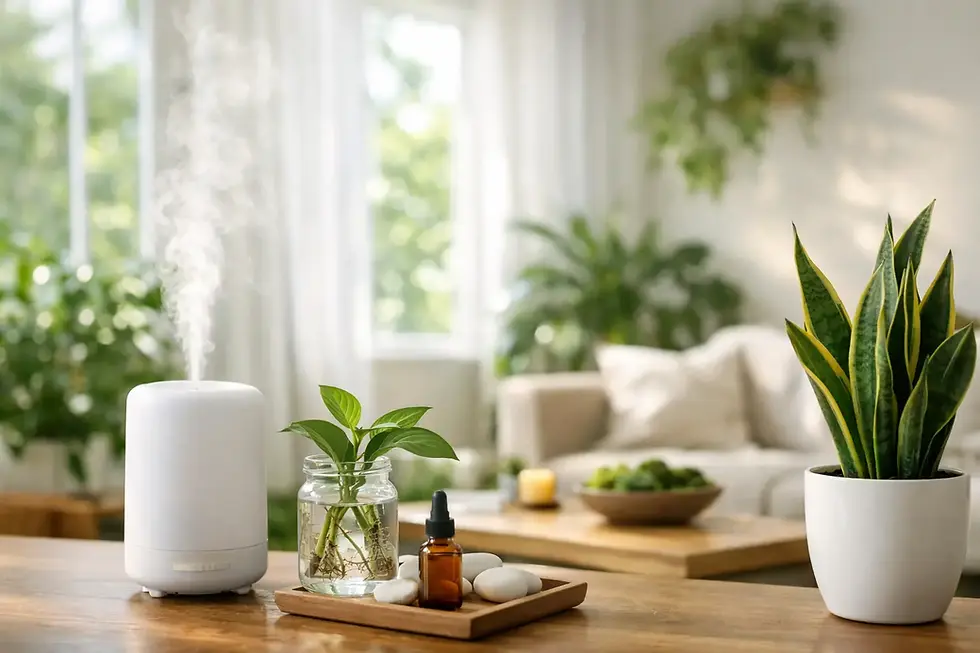
If your goal is a space that feels cleaner, calmer, and easier to breathe in, start by thinking less about "perfect air" and more about reducing what builds up indoors. Dust, excess moisture, strong fragrances, and poor airflow tend to work together. When you address those basics, the whole room often feels better.
How to improve indoor air quality naturally at home
Natural improvement starts with what you stop adding to the air. A lot of indoor stuffiness comes from daily products and routines that seem harmless on their own - heavy scented sprays, damp fabrics, clutter that traps dust, and rooms that stay closed up for too long. Freshening the air naturally is usually about lowering that indoor load.
The most practical place to begin is ventilation. Even a clean room can feel stale if air is not moving. When outdoor conditions are reasonable, open windows on opposite sides of the home for a short period to create cross-ventilation. Ten to twenty minutes can help clear out trapped odors and bring in fresher air. This works especially well after showering, cleaning, or sleeping with the door closed overnight.
That said, it depends on where you live. If pollen counts are high, wildfire smoke is present, or outdoor humidity is extreme, opening windows may not help that day. Natural strategies are still useful, but they should match the conditions outside. A good rule is simple: ventilate when outdoor air is clearly better than indoor air.
Start with airflow and moisture control
If a room feels muggy, musty, or heavy, moisture is often part of the problem. Bathrooms, laundry areas, kitchens, and bedrooms can all hold on to humidity longer than people realize. Once that dampness lingers, fabrics and surfaces can start smelling less than fresh.
Use exhaust fans during showers and while cooking, then leave them running a bit longer than you think you need. Wipe down wet shower walls, hang towels so they dry fully, and avoid leaving damp laundry sitting in a basket. These are small habits, but they help prevent the kind of moisture buildup that makes air feel stale.
Bedrooms deserve special attention because they affect comfort so directly. If your room feels stuffy in the morning, pull back bedding for a while before making the bed, crack a window when weather allows, and keep bulky fabric clutter to a minimum. Soft textures make a room cozy, but too many unworn throws, extra pillows, or rarely washed curtains can quietly hold dust and odors.
If you notice persistent condensation on windows, a recurring musty smell, or damp corners that keep returning, that is a sign to look more closely at ventilation and humidity. Natural fixes help, but they work best when there is not an ongoing moisture issue hiding underneath.
Clean in a way that helps the air, not hurts it
A home can smell strong and still not feel truly fresh. One common mistake is trying to cover stale air with fragrance instead of removing what is causing it. If you want to know how to improve indoor air quality naturally, this is one of the biggest mindset shifts: clean for removal, not just for scent.
Dust is a major culprit, especially in bedrooms and living rooms where soft materials collect it quietly. Vacuum rugs, upholstered furniture, and under-bed areas regularly. Wash bedding often, including pillow covers and comforters on a realistic schedule. If you have pets, brushing and laundering pet bedding consistently can make a noticeable difference in how clean the room feels.
Dry dusting can push particles back into the air, so a damp microfiber cloth usually works better on hard surfaces. Focus on the spots that get missed: ceiling fan blades, baseboards, window sills, vents, and the top edges of furniture. These areas collect buildup that slowly recirculates.
Your cleaning products matter too. Strong sprays with overpowering fragrance can make a room smell cleaned without actually creating a more comfortable environment. Gentler, low-scent or unscented cleaners are often the better choice for daily use. You still want products that clean effectively, but there is no extra prize for making your home smell like a synthetic perfume aisle.
Reduce the sources of indoor buildup
A lot of air-quality improvement happens before you ever open a window or wipe a surface. It starts with reducing what enters and lingers inside. Shoes worn indoors can track in dirt and outdoor residue. Piles of textiles can hold dust. Candles, incense, and frequent aerosol sprays can leave behind more than a pleasant scent.
This does not mean your home has to feel stripped down. It just means being selective. If you still want a room to smell comforting, start with shopper-favorite candles and diffusers that create a softer atmosphere rather than a heavy, lingering one. A subtle reed diffuser in one area may feel fine, while constant burning or repeated spray use can make the air feel heavier instead of fresher.
Entryway habits help more than they get credit for. A doormat at the door, a shoe-off routine, and a simple place to drop jackets and bags can cut down on what gets carried through the house. In a busy home, this is one of the easiest natural ways to support cleaner air without adding another chore.
Clutter also plays a role. The more surfaces and stacks you have, the more places dust settles and stays. You do not need a minimalist home, just a manageable one. When shelves, corners, and floor space are easier to clean, the air often feels better too.
Do houseplants help?
Houseplants can make a room feel calmer and more alive, and that matters in a home meant to support rest and comfort. They may contribute a little to the overall feel of freshness, but they are not a magic fix for poor indoor air. If your room is dusty, damp, and rarely ventilated, a few plants will not solve the problem.
If dust, pet dander, or fine particles are part of the problem, it helps to understand what HEPA filters actually remove from the air. (Read: HEPA Filters Explained: What They Remove from the Air).
Still, plants can absolutely have a place in a natural air-care routine. They encourage a softer, more cared-for environment, and many people find that they become more mindful of light, airflow, and moisture when plants are part of the room. The trade-off is maintenance. Overwatered plants or damp potting soil can add moisture issues of their own, so choose easy-care varieties and avoid turning your windowsill into a soggy corner.
The rooms that usually need the most attention
Not every room has the same air-quality challenges. Kitchens collect cooking fumes, grease, and humidity. Bathrooms trap steam and moisture. Bedrooms gather dust, body oils, fabrics, and stale overnight air. Living rooms tend to hold soft furnishings that look cozy but collect particles over time.
For most homes, the best results come from focusing on the rooms you use hardest instead of trying to reset the whole house at once. If the bedroom feels stale, start there. If the bathroom always smells damp, fix that first. Quick wins matter because they make the routine easier to keep.
A realistic weekly rhythm often works better than occasional deep cleaning. Wash sheets, vacuum the bedroom, wipe dust with a damp cloth, air out the house when conditions are good, and stay on top of moisture-prone areas. Better Home Vibes is built around this kind of approach - practical changes that make daily life feel noticeably more comfortable.
When natural methods work best, and when they need backup
Natural strategies are strong for everyday maintenance. They can help reduce stale smells, lower dust, and make rooms feel lighter and cleaner. They are especially useful when the problem is buildup from normal living rather than a bigger hidden issue.
If your home still feels dusty, stuffy, or heavy even after improving airflow, cleaning habits, and moisture control, a well-chosen air purifier can sometimes make a bigger difference than another round of scented sprays or open-window guesswork. → See our guide to the best air purifiers for home. |
But honesty matters here. If you are dealing with persistent smoke infiltration, ongoing leaks, heavy pet dander, or a home that stays damp no matter what you do, natural habits may need support from better filtration, a dehumidifier, or changes to how a room is ventilated. That does not mean the natural steps failed. It just means the source is stronger than a simple open-window fix.
The most effective homes are rarely the ones using the most products. They are the ones with steady airflow, manageable humidity, less dust-trapping clutter, and cleaning habits that remove buildup instead of masking it. When you approach your space that way, the air starts to feel less like something you have to fight and more like part of the comfort of being home.
And if you want extra help keeping dust, pet dander, and everyday buildup under control, it may be worth adding dedicated filtration to the room that bothers you most. → See our recommendations for the best air purifiers for home. |
If you want your home to feel fresher naturally, start with one room and one habit this week. Open it up, clean what is actually collecting there, and make that space easier to maintain. A calmer home often begins with air that simply feels clean.


