

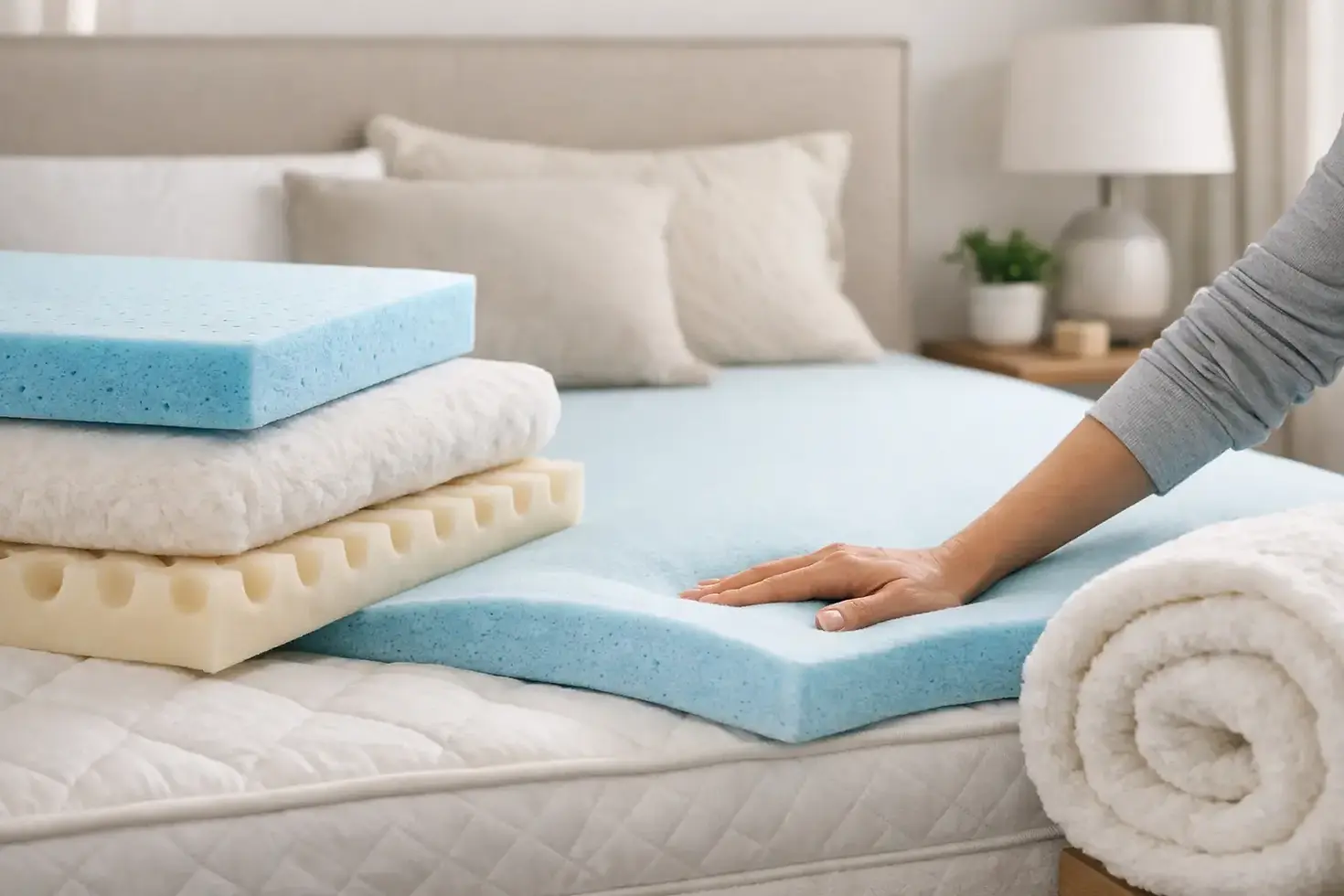
How to Choose a Mattress Topper
A mattress can be mostly fine and still leave you waking up stiff, overheated, or just not fully rested. That awkward middle ground is exactly where learning how to choose a mattress topper can make a real difference. The right topper can soften pressure points, add support, reduce motion transfer, or simply make your bed feel more comfortable without the cost of replacing the whole mattress.
The tricky part is that mattress toppers all promise better sleep, but they solve different problems. If you buy one based on hype instead of your actual sleep needs, you can end up with a bed that feels too soft, too warm, or strangely unsupportive. A good choice starts with figuring out what your mattress is doing wrong.
Start with the problem you're trying to fix
Before you compare materials or thickness, pause and think about your current bed. Is it too firm and putting pressure on your shoulders and hips? Is it too soft and letting your lower back sink? Do you sleep hot? Does your partner move around all night? The best topper for one issue can be the wrong one for another.
If your mattress feels hard and unforgiving, a topper is often a smart fix. It can add a comfort layer that makes the bed feel gentler and more cushioned. If your mattress is already sagging deeply or has obvious body impressions, though, a topper usually will not solve the root problem. It may temporarily mask discomfort, but it cannot rebuild support that is no longer there.
That distinction matters because a topper works best as a comfort adjustment, not a full rescue plan for a worn-out mattress.
How to choose a mattress topper by material
Material has the biggest effect on how a topper feels. This is where comfort, temperature, responsiveness, and overall support start to separate.
Memory foam
Memory foam is popular for a reason. It contours closely to the body, relieves pressure well, and can help absorb movement if you share the bed. For side sleepers or anyone dealing with a mattress that feels too firm, it often creates that cozy, slightly cradled feeling people want.
The trade-off is heat and response time. Some memory foam toppers can sleep warm, especially dense ones without cooling features. They also have that slower sink-in feel, which some people love and others find restrictive.
Latex
Latex feels more buoyant than memory foam. It still cushions the body, but instead of a deep hug, it has a springier, more lifted feel. That makes it a strong option for sleepers who want pressure relief without feeling stuck.
Latex also tends to sleep cooler and hold its shape well over time. It is often pricier, and the feel is more responsive than plush, so it may not satisfy someone looking for that soft, cloudlike sink.
Fiberfill or down-alternative
These toppers are usually softer, lighter, and often more budget-friendly. They can add a plush layer to a firm mattress and create that fluffy hotel-bed feel. They are also a simple option for someone who wants a comfort upgrade without changing the support profile too much.
The downside is durability. Fiberfill tends to compress faster than foam or latex, so it may need more frequent fluffing or replacing. It is great for softness, but not usually the best choice if you need meaningful pressure relief or support adjustment.
Wool
Wool toppers are less about deep contouring and more about breathable comfort. They can add a cushioned layer while helping with temperature regulation, which is helpful if your bed gets stuffy at night.
They are not usually the best pick if you need major softness or body-conforming pressure relief. Think of wool as a comfort and climate upgrade rather than a dramatic feel change.
Thickness changes the feel more than many people expect
A topper that is 1 to 2 inches thick usually makes a subtle difference. It can smooth out a mattress that feels slightly too firm or add a touch of cushioning without changing the whole sleep surface.
A 3-inch topper creates a more noticeable shift. For many people, this is the sweet spot because it adds enough comfort to feel worth it without completely overwhelming the mattress underneath.
Once you get into thicker toppers, you need to be more careful. Extra thickness can feel luxurious at first, but if the material is too soft for your body type or sleep position, it may let you sink too far. That can throw off spinal alignment, especially for back and stomach sleepers.
If you are petite, a softer thicker topper may still feel balanced. If you are heavier or need stronger support, denser materials often work better than just adding more height.
Match the topper to your sleep position
Side sleepers
Side sleepers usually need more pressure relief around the shoulders and hips. Memory foam and softer latex tend to work well here, especially in the 2- to 3-inch range. The goal is to cushion the sharper contact points without losing support underneath.
Back sleepers
Back sleepers often do best with a medium feel. Too soft, and the hips can dip. Too firm, and the lower back may not feel comfortably supported. Latex or medium-density memory foam is often a good middle ground.
Stomach sleepers
Stomach sleepers need the most caution with toppers. A very soft topper can push the midsection down and create an awkward arch in the lower back. Usually, a thinner topper with a firmer feel is the safer choice.
Combination sleepers
If you change positions a lot, responsiveness matters. Latex tends to be easier to move around on than memory foam, so it can feel less restrictive during the night.
Don’t ignore heat retention
A bed that sleeps hot can ruin an otherwise comfortable setup. If you already wake up warm, be careful about dense memory foam toppers unless they are specifically designed for better airflow or cooling.
Latex, wool, and some breathable fiberfill toppers are often more comfortable for hot sleepers. Cover fabric matters too. Cotton and other breathable materials usually feel fresher than synthetic covers that trap heat.
Cooling claims can be exaggerated, so it helps to think realistically. A topper may help reduce heat buildup, but it probably will not turn a very hot mattress into a cool one overnight. If temperature is your biggest issue, prioritize breathable materials over marketing terms.
Firmness should complement your mattress, not fight it
This is where many people get frustrated. They choose the softest topper they can find because the mattress feels uncomfortable, then the bed ends up feeling unsupportive. Or they choose a firm topper hoping to fix a soft mattress, and the result still feels off.
A topper can soften a too-firm mattress more easily than it can truly firm up a too-soft one. If your current mattress lacks support, a topper may only do so much. In that case, denser latex or firmer foam might help a little, but expectations should stay realistic.
Think in terms of balance. Your topper should work with the mattress below it to create the feel you want, not try to cancel out a major structural problem.
Size, maintenance, and practical details matter too
Once you narrow down comfort preferences, pay attention to everyday usability. Make sure the topper matches your mattress size exactly and check overall height, especially if your fitted sheets are already snug.
A removable, washable cover is worth having, especially if you want your bed to feel fresher and easier to maintain. Some materials are heavier and harder to reposition, which matters if you rotate bedding often or live in a smaller space.
If you share a bed, motion isolation may matter just as much as softness. Memory foam usually performs better there, while latex offers more bounce. Neither is automatically better - it depends on whether you value stillness or ease of movement more.
A simple way to narrow it down
If you feel overwhelmed by all the options, keep it simple. Choose based on your top priority first, then adjust from there. If you want pressure relief, start with memory foam or soft latex. If you sleep hot, look first at latex, wool, or breathable fiberfill. If you want a plush feel on a budget, fiberfill may be enough. If you want a longer-lasting upgrade with a more supportive feel, latex is often worth a look.
At Better Home Vibes, we tend to look at sleep products this way: the best choice is the one that solves the discomfort you actually feel every night, not the one with the most features. A mattress topper should make your bed feel easier to settle into and easier to wake up from.
Give yourself permission to shop practically. You are not trying to build a perfect luxury bed from scratch. You are trying to make your current bed more supportive, more comfortable, and more restful in a way that fits real life. That is usually where the best sleep upgrades begin.


