

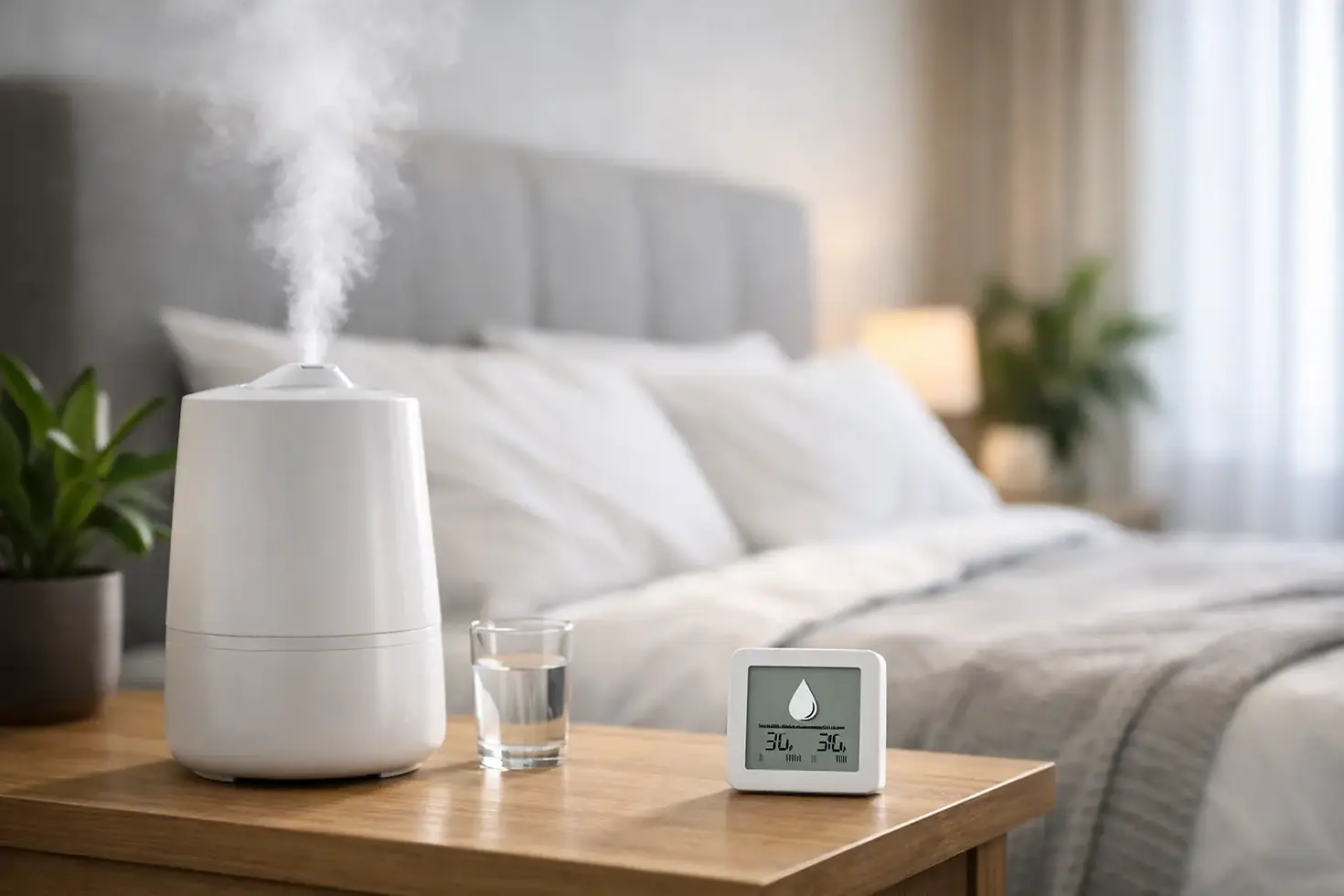
Guide to Bedroom Humidity Levels
Waking up with a dry throat, stuffy nose, or that slightly clammy feeling in your sheets is not always about your mattress or the weather. Sometimes the real issue is the air in your room. A good guide to bedroom humidity levels can help you spot why your space feels off and fix it without turning your bedroom into a science project.
Humidity affects how comfortable your bedroom feels at night, how fresh the air seems, and even whether fabrics, wood furniture, and windows stay in good shape. Too little moisture can leave the room feeling dry and irritating. Too much can make the space feel sticky, heavy, and harder to relax in. The sweet spot is simpler than most people think.
What bedroom humidity should feel like
For most bedrooms, the ideal humidity range is 30% to 50%. That range tends to feel the most comfortable for sleep while also helping reduce common moisture-related issues around the room. If your bedroom regularly falls within that window, the air usually feels balanced instead of dry or muggy.
That said, comfort can shift a little based on season, climate, and how your home is built. In winter, homes often get drier because heating systems pull moisture from the air. In summer, especially in humid parts of the US, the challenge is usually excess moisture. So while 30% to 50% is the goal, aiming for around 40% to 45% often feels especially comfortable for many people.
If you are wondering whether a few percentage points really matter, they can. A bedroom at 22% humidity can feel noticeably harsher on your skin and throat than one at 38%. A room at 60% can feel far stuffier than one at 45%, even if the temperature is the same.
A practical guide to bedroom humidity levels by season
The right humidity level is not totally one-size-fits-all because outdoor weather affects indoor air.
Winter bedroom humidity
Winter air is often the driest, especially if you run forced heat overnight. In colder months, many bedrooms dip below 30% without anyone realizing it. If you wake up with dry lips, static in your blankets, or a scratchy feeling in your nose, low humidity is a likely culprit.
In winter, staying between 30% and 40% is often realistic and comfortable. Going too high can sometimes create window condensation in colder climates, which can lead to moisture buildup around frames and sills.
Summer bedroom humidity
Summer brings the opposite problem in many homes. If your bedroom feels sticky even with the AC on, humidity may be too high. Warm air holds more moisture, and bedrooms with poor airflow can start to feel heavy fast.
In summer, keeping humidity around 40% to 50% usually feels best. If it climbs past 50%, many people start noticing that the room feels less fresh and sleep feels less comfortable.
Spring and fall bedroom humidity
These in-between seasons can swing either way depending on where you live. Rainy periods may push moisture up, while cool dry spells can pull it down. This is where checking actual humidity levels helps more than guessing based on comfort alone.
Signs your bedroom air is too dry
Dry air tends to create a bedroom that feels less soothing, even if it looks cozy. You may notice chapped lips, dry skin, a scratchy throat in the morning, or more static cling in sheets and pajamas. Wood furniture and floors can also dry out over time, and houseplants may struggle if the air stays very dry.
Some people also find that a very dry room just feels sharp or stale, especially overnight. It is not always dramatic. Sometimes the room simply does not feel restful, and you cannot quite tell why.
If this sounds familiar, the fix is usually about adding a moderate amount of moisture, not overcorrecting. A humidifier can help, but so can reducing heat loss, keeping the bedroom door positioned for better airflow, and checking whether your heating system is drying out the room more than expected.
Signs your bedroom air is too humid
High humidity creates a different kind of discomfort. Bedding may feel damp even when clean. The room can smell musty or feel warmer than the thermostat says it should. Windows may collect condensation, and closets or corners can feel a little stale.
This is where excess moisture starts affecting more than comfort. A too-humid bedroom can make the space feel stuffy and harder to unwind in. It can also leave fabrics and soft surfaces feeling less fresh between washes.
If your room tends to run humid, a dehumidifier may be the simplest fix. Air conditioning helps too, but not always enough on its own, especially in older homes or bedrooms with poor ventilation.
How to measure bedroom humidity levels
The easiest way to take the guesswork out of this is with a hygrometer. Many digital room thermometers include humidity readings, and they are usually affordable and simple to use. Place one in your bedroom away from direct sunlight, vents, or windows for the most accurate everyday reading.
It helps to check levels at different times of day for a few days. A room may seem fine in the afternoon but drop too low overnight with the heat running. Or it may rise too much after a shower if the bedroom is near a bathroom and airflow is limited.
This part matters because comfort problems are often patterns, not one-time events. Once you know your usual range, it is much easier to choose the right solution.
How to fix low humidity in a bedroom
If your bedroom is too dry, start with the smallest effective change. A humidifier is usually the most direct option, especially for sleep spaces. For many people, a cool mist humidifier works well because it is easy to run overnight and fits naturally into a bedtime routine.
The key is moderation. You want enough added moisture to bring the room into a comfortable range, not so much that you trade dryness for dampness. If you use a humidifier, keep it clean and monitor the humidity level so it stays within that 30% to 50% zone.
You can also help a dry bedroom by lowering the temperature slightly at night if you tend to overheat the room, since intense heating often makes dry air feel worse. Sometimes a small change in thermostat settings and a bedside humidity monitor are enough to improve comfort.
How to lower humidity in a bedroom
If your room feels damp or muggy, reducing moisture should be the priority. A dehumidifier is the most effective tool if high humidity is a regular problem. For smaller bedrooms, even a compact unit can make a noticeable difference in how the room feels by bedtime.
Ventilation also matters. If your bedroom traps air, running a fan, opening windows when outdoor conditions are right, or using your HVAC fan setting more strategically can help. Keep in mind that opening windows is only useful when outside humidity is lower than inside. In very humid climates, that move can backfire.
It also helps to check simple causes. Damp laundry drying indoors, an attached bathroom with lingering steam, or closed doors that block airflow can all push humidity up more than you might expect.
Bedroom humidity and sleep comfort
This is where the issue becomes personal. Bedroom humidity is not just an air-quality number. It changes how your sheets feel, how cool or warm the room seems, and how easy it is to settle in at night.
When humidity is balanced, bedding tends to feel fresher, the room feels lighter, and temperature control works better. When it is off, even a beautiful bedroom can feel slightly irritating. That is why this guide to bedroom humidity levels matters so much for everyday comfort. It is one of those quiet background details that can shape the whole feel of your sleep space.
If you are trying to create a bedroom that feels calmer and more supportive, humidity is worth treating like part of your sleep setup, right alongside bedding, scent, lighting, and airflow.
When the problem is not just humidity
Sometimes humidity is only part of the story. If your room still feels uncomfortable after you get the levels into a healthy range, look at the bigger picture. Heat-retaining bedding, poor air circulation, dusty vents, and an overly warm mattress can all mimic humidity issues.
That is why the best bedroom setup usually comes from a few small adjustments working together. A humidity monitor, cleaner airflow, breathable bedding, and the right moisture balance can do more than any single change on its own.
A comfortable bedroom rarely happens by accident. When the air feels right, the whole room feels easier to rest in - and sometimes that simple shift is exactly what helps home feel better at the end of the day.


